Story by MIM Brussels
Story by MIM Brussels Visit the museum

how saxophone came to be

From a Belgian inventor's workshop, to the voice of jazz, and everywhere after.

Brussels · 1840 → today
A story in 4 chapters Scroll

the history of saxophone

the invention

Chapter 01 · A new voice

The word ‘saxophone’ means ‘the sound of Sax’ — specifically that of Adolphe Sax. More on him in a moment.

The Greek word ‘phone’ relates to vocal sounds, so it should not be surprising that the saxophone is often described as a ‘singing’ instrument.

The saxophone is arguably one of the most flexible and expressive of musical instruments, exceeded, perhaps, only by the human voice.

The human voice, indeed, is capable of producing both ear-grating growls and delicate eloquence, of starting a war and of inspiring.

Which is what Adolphe Sax set out to bottle. In his Paris workshop in 1846, he patented a strange new instrument: the reed of a clarinet, the body of a brass horn, and a voice closer to singing than either.

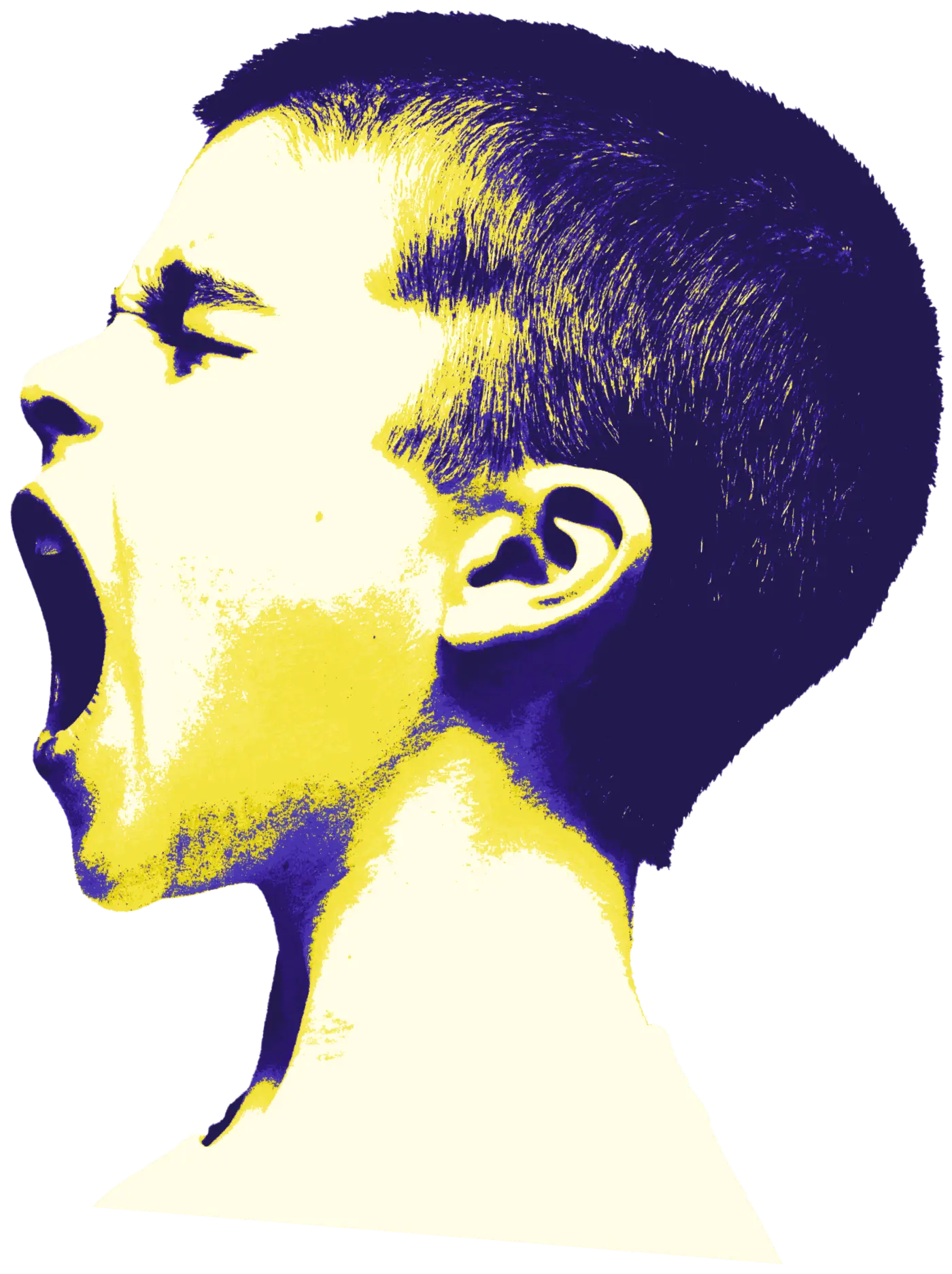
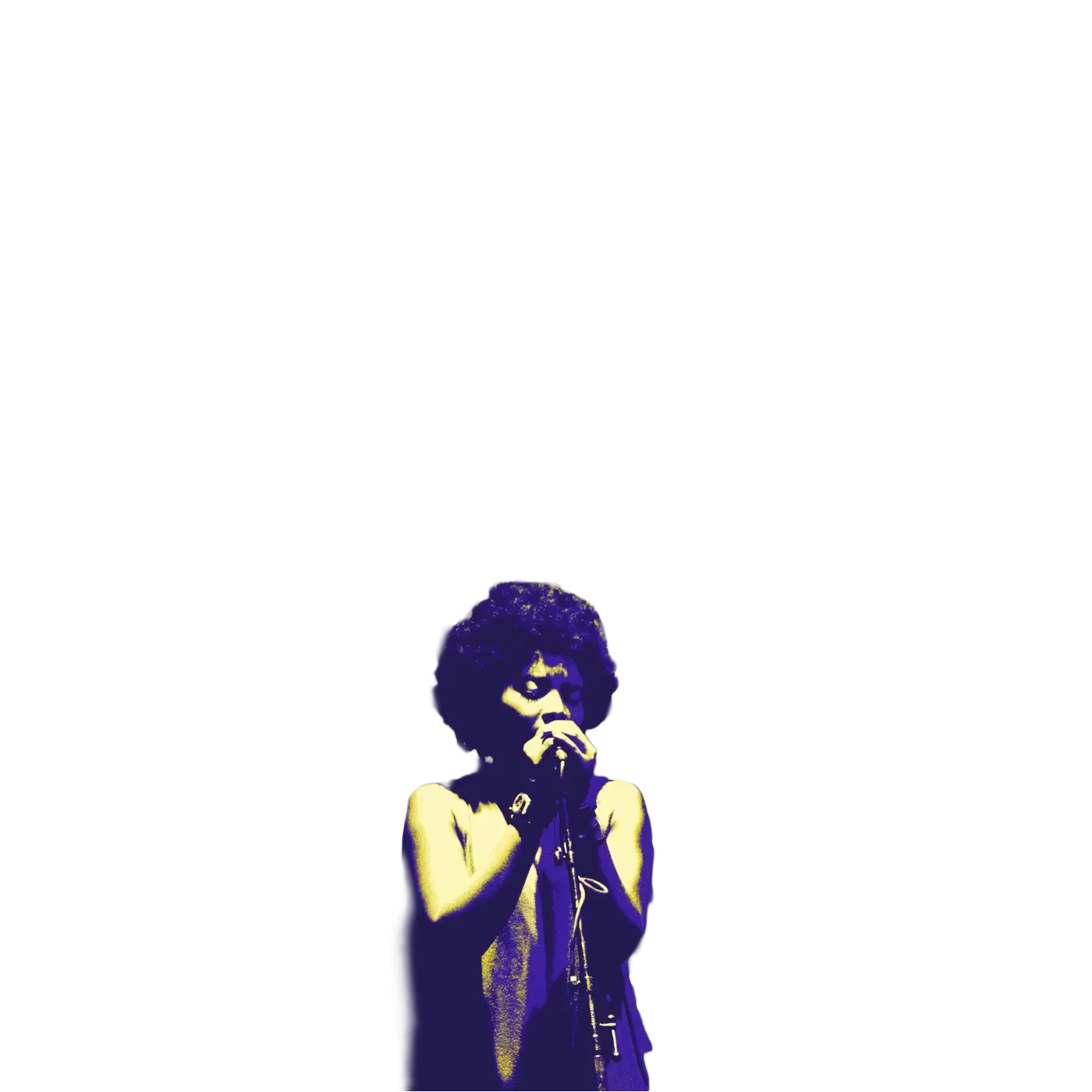
A young person mid-song, mouth wide open

The saxophone is similar to the human voice in its potential to move people, both viscerally and emotionally.

the inventor

Chapter 02 · The man behind it

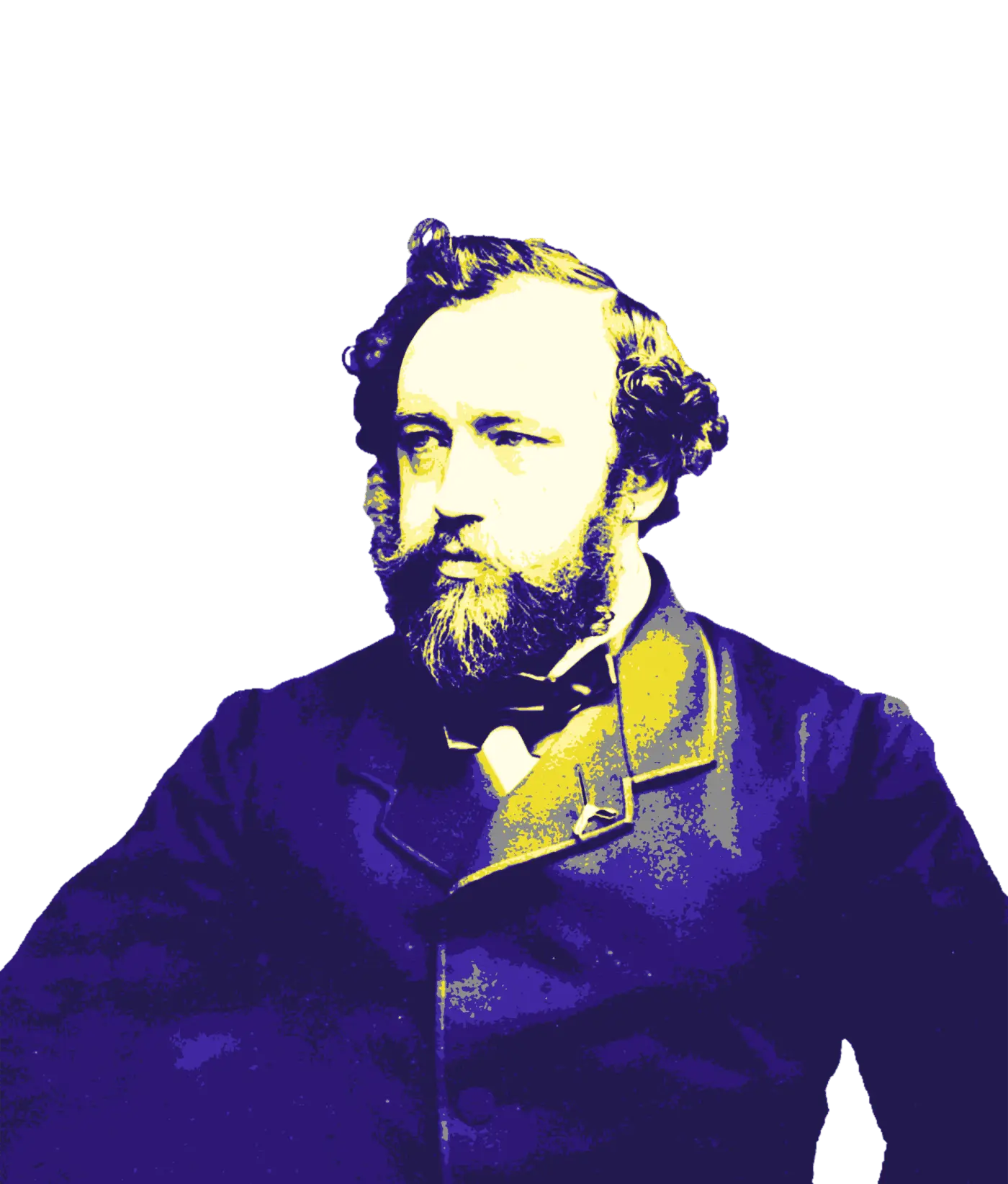
The saxophone is rather unusual in that we can pinpoint a single, definitive inventor: Adolphe Sax.

Born in Dinant, Belgium in 1814, Adolphe grew up in his father's instrument workshop, surrounded by horns, keys, and reeds. He was also a famously unlucky child. By his teens he had survived a fall from three storeys, a swallowed needle, a gunpowder explosion, and a long sip of sulphuric acid he mistook for milk. His mother, the story goes, called him ‘a child condemned to misfortune.’

He survived all of it. By 1842 he had moved his workshop to Paris, and four years later he filed the patent that introduced the world to the saxophone.

Even then, he knew an instrument needs more than novelty to last. He lobbied the French army until the saxophone was written into its military bands, where it stayed, and stayed, and stayed. The instrument's place in the musical world was no accident.

Portrait of Adolphe Sax, inventor of the saxophone

While attempting to make an instrument that combined

a flute’s agility and ability to play fast passages,

and the horn-like projection of the brass family,

he invented the saxophone.

Paris · 1846

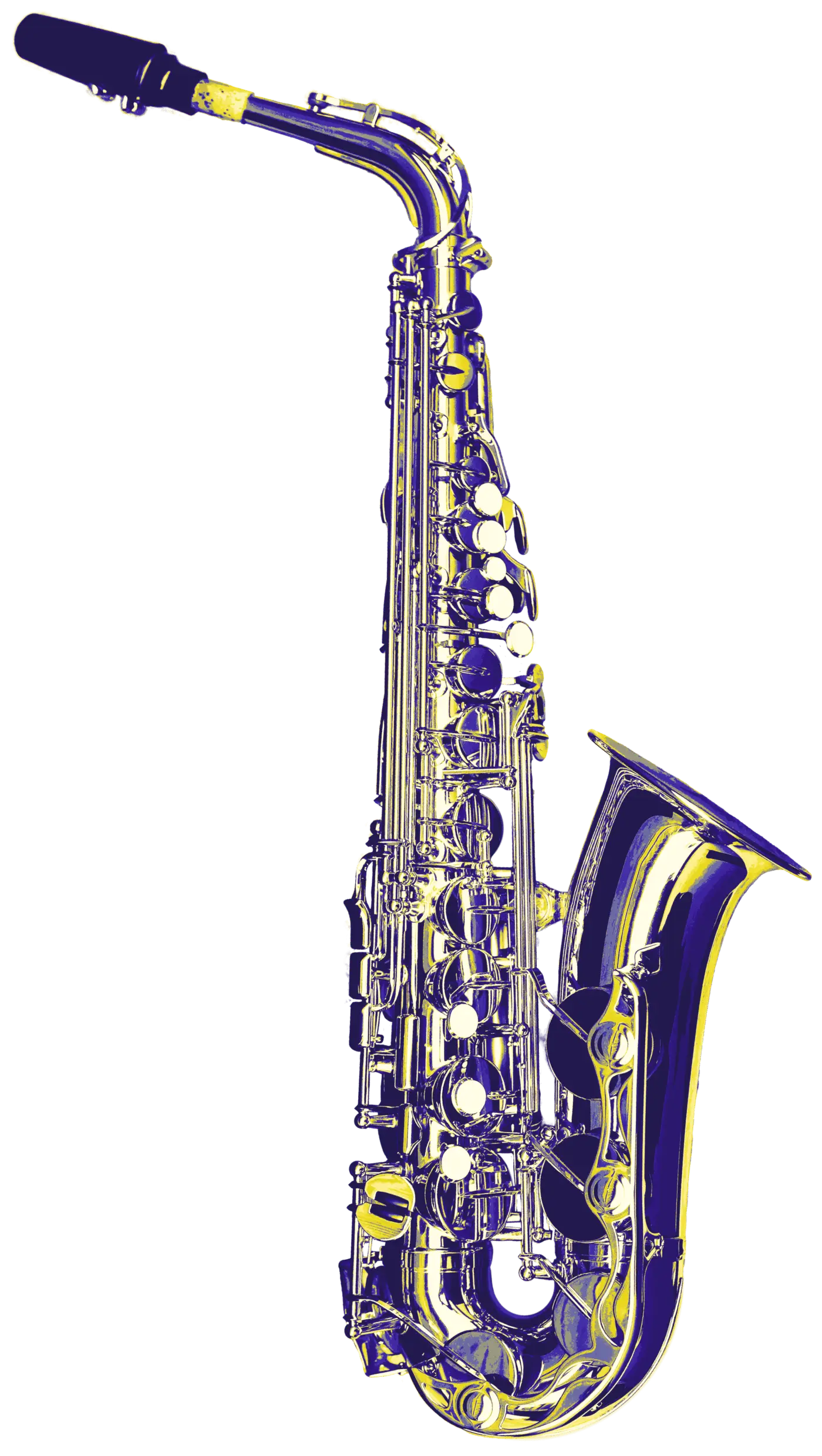
Adolphe Sax originally designed 14 members of the saxophone family.

Today, 4 of them are most commonly played. The rest, from the tiny sopranissimo to the unwieldy contrabass, were either too shrill or too cumbersome to keep a permanent seat.

The baritone saxophone speaks in a language of warmth and depth, with a voice that echoes and resonates, like the low rumbling of a thunderstorm. Its tones are full-bodied and rich, imbued with a hint of sharpness, like the bow of a cellist running across taut strings. Pitched in E♭, it sits at the bottom of the family. Gerry Mulligan turned it into a solo voice in cool jazz.

The tenor saxophone speaks in a voice that is warm and soulful, with a range that is both broad and expressive. Its notes flow like a river, smooth and steady, or they can be as sharp and cutting as a blade. Pitched in B♭, it became the workhorse of jazz, championed by Coleman Hawkins, John Coltrane, and Sonny Rollins.

The alto saxophone speaks in a language that is bright and clear, with a voice that is both precise and piercing. Its tones are crisp and clean, with a high-end sparkle that cuts through the din of other instruments. Pitched in E♭, it is the most agile of the four. Charlie Parker and Cannonball Adderley built bebop around it.

The soprano saxophone speaks in a language that is light and airy, with a voice that is both piercing and delicate. Its tones are akin to the fluttering of a bird, the high-pitched trill of a piccolo. Pitched in B♭, it is the highest of the four. Sidney Bechet gave it an early voice in jazz, and John Coltrane brought it back to the spotlight on ‘My Favorite Things.’

saxophone& jazz

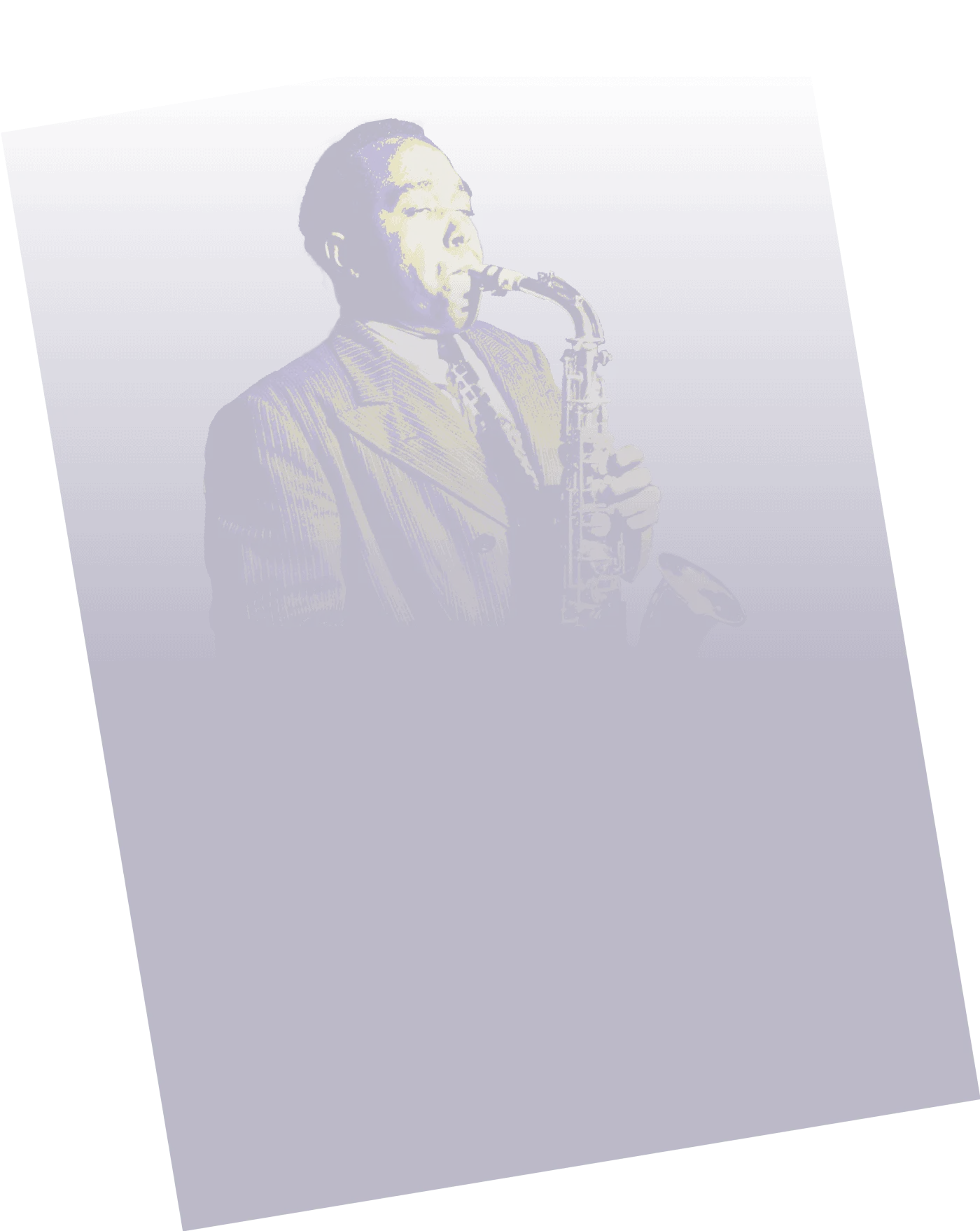
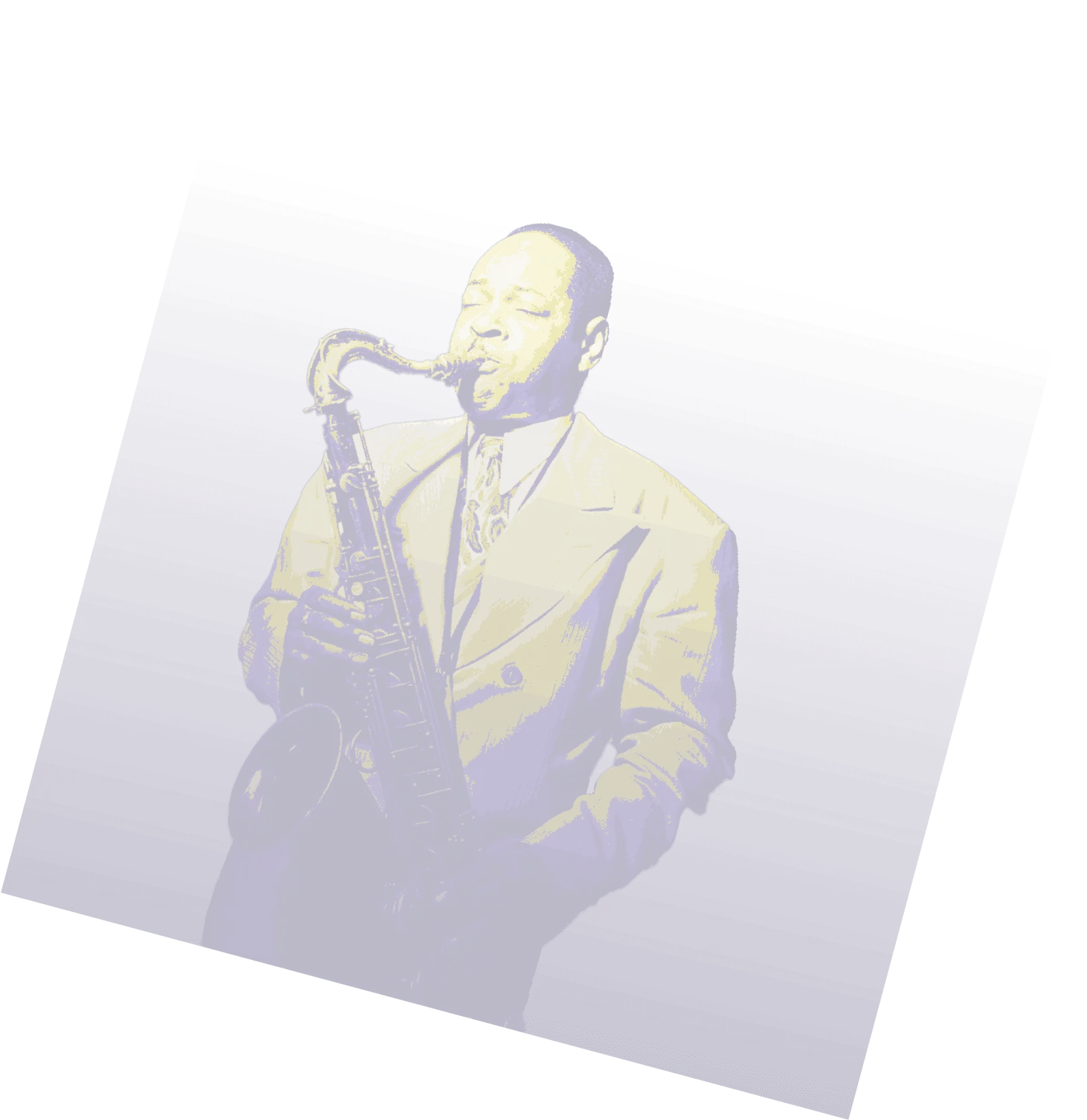
Jazz legend Charlie Parker Jazz legend Coleman Hawkins
Chapter 03 · Saxophone meets jazz

By the late 1800s, the saxophone had crossed the Atlantic, carried by touring military and brass bands. In vaudeville halls and ragtime parlours it picked up swing, slur, and a taste for improvisation. By the time it reached New Orleans, it was ready for what came next.

The saxophone has undergone a significant evolution in jazz — from an optional addition to an essential requirement.

In the early days of jazz, when the music’s epicentre was first New Orleans and then Chicago, the saxophone’s role was not as prominent as it would later become. Sidney Bechet was an early exception, coaxing big, vibrato-soaked lines out of the soprano.

Things changed when Coleman Hawkins turned the tenor saxophone into a jazz instrument during the 1920s. The Swing era soon brought wildly popular big bands featuring multiple saxophonists.

From then on, the saxophone was involved in every major development in jazz. Charlie Parker’s mercurial alto saxophone playing ushered in the bebop era of the 1940s, spawning waves of imitators.

By the 1950s, John Coltrane was pushing the tenor and the soprano into entirely new emotional territory, from the racing runs of ‘Giant Steps’ to the modal calm of ‘My Favorite Things’ and the spiritual reach of ‘A Love Supreme.’

Once there were influential virtuoso sax players, there were a lot of people who wanted to be like them.

The popularity of the saxophone became self-perpetuating.
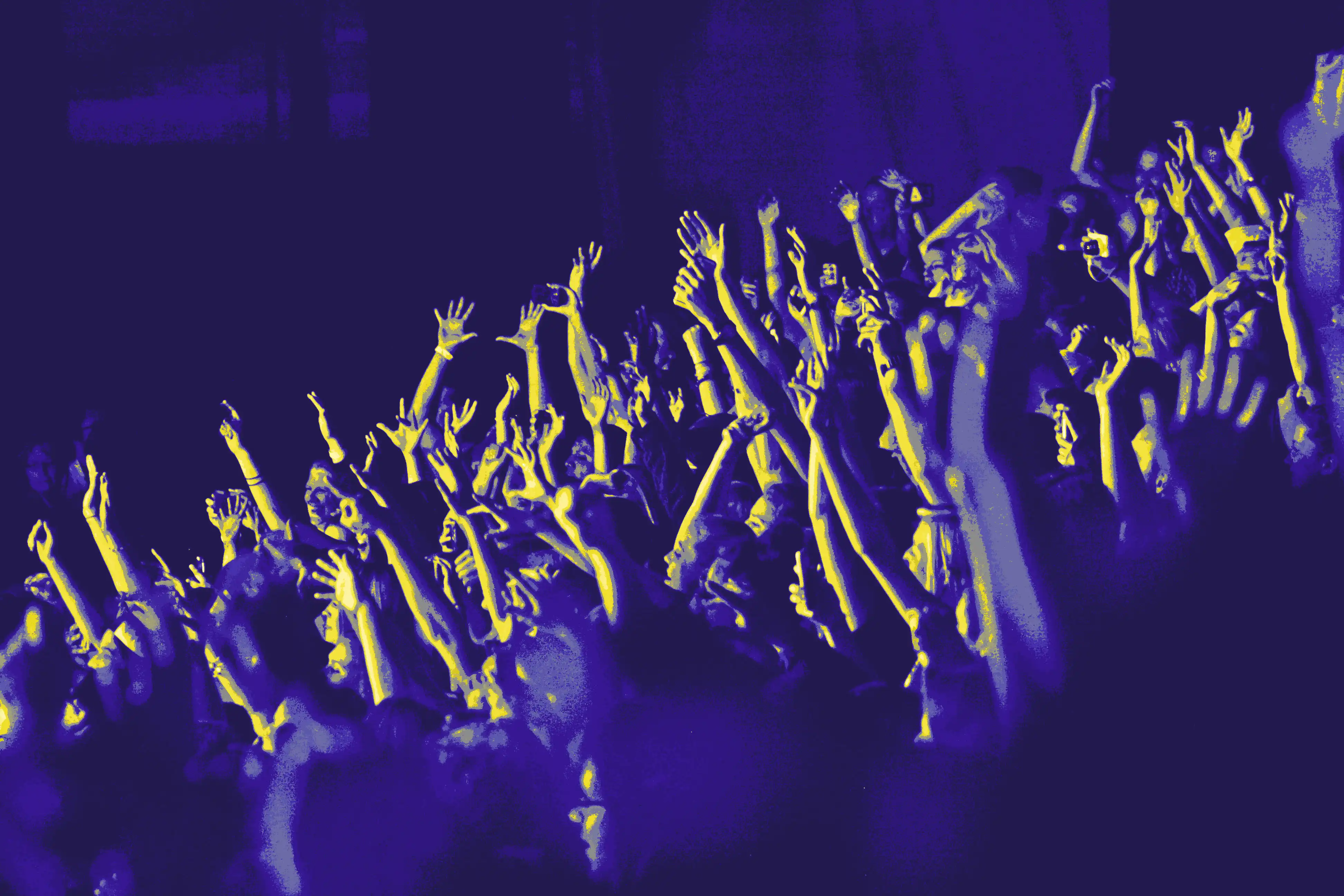
Jazz took many forms since its inception — the saxophone playing a slightly different role each step of the way.

new orleans jazz

In the smoky halls of New Orleans, a new sound emerged — one that pulsed with the energy of the city's vibrant streets and the pain of its marginalized communities during the 1920s. Traditional jazz blended African rhythms with European harmony, and the saxophone wove its smooth, soulful tones into the music's intricate melodies.

swing jazz

Swing jazz emerged in the 1930s — lively, upbeat, full of energy. With its focus on the ensemble rather than individual solos, swing brought people together to dance. The saxophone's smooth, seductive notes interwove with the pulsing rhythms of drums and the driving beat of the bass.

bebop

As the world emerged from the devastation of WWII, a new sound began to take shape in the smoky jazz clubs of New York. Bebop pushed the boundaries with complex harmonies, virtuosic solos, and intricate rhythms, a music made for the musicians. At its centre was Charlie Parker's alto, racing through chord changes faster than anyone thought possible.

cool jazz

As the world settled into the 1950s, a new coolness took hold. Cool jazz emerged as a relaxed and introspective style, in contrast to the fiery bebop that came before. Stan Getz's tenor breathed unhurried, conversational lines, while Gerry Mulligan put the baritone at the front of the band. Miles Davis quietly set the tone for them all.

free jazz

Free jazz emerged in the late 1950s as a rebellion against the constraints and conventions of traditional jazz. The saxophone became a vessel for the expression of deep emotion and unbridled creativity — it wailed, screeched, screamed.

jazz fusion

As the world became more interconnected in the 1960s and '70s, jazz fusion emerged — an alchemy of sounds and influences. The saxophone proved versatile enough to soar with the improvisational freedom of jazz and grind with the grooves of funk.

smooth jazz

Smooth jazz is the gentle breeze of sound that flows through the city. Emerging in the 1980s as a fusion of jazz, R&B and pop, it brought synthesizers, drum machines and a focus on catchy melodies. The saxophone contributed its soulful, emotive tone — a golden thread woven through the fabric of the city.

for you & mesaxophonefor everybody

Chapter 04 · And beyond

The saxophone is a true chameleon of the music world, seamlessly blending into a variety of genres beyond jazz and making itself at home.

In modern pop, the saxophone is often used as a solo instrument to add a distinct, memorable melody. Think of the soaring line in Gerry Rafferty's ‘Baker Street’, or the slow burn of George Michael's ‘Careless Whisper.’

In rock, Clarence Clemons made his tenor the second voice of Bruce Springsteen's E Street Band. In R&B and hip-hop, the saxophone keeps returning through samples and features. And in contemporary jazz, players like Kamasi Washington and Donny McCaslin are stretching the instrument into new shapes, from cinematic spiritual jazz to the haunted textures of David Bowie's final album, Blackstar.

Across nearly two centuries, the saxophone has done what Adolphe Sax hoped it might. It became the instrument that sounds most like us, capable of growling, sighing, screaming, and whispering. Lean into a long, vibrato-heavy note on a tenor and you can almost hear the breath behind it. Sometimes you forget it's an instrument at all.

Composer

Make your own saxophone tune.

Type a message. Each letter maps to a note.
Adjust the controls below to hear how the same phrase changes character.

← Ready when you are